Google Ads
Reach people searching for a dentist or a specific treatment. The ad leads to a relevant page.
 Book a Call
DENTAL CLINICS · WORLDWIDE
Help the right patients find your clinic and request a consultation. Advertising, Google visibility and your website, connected.

01 / THE APPROACH
Patients need to find your clinic, trust what they see and know how to contact you. Your marketing should make that journey easier.
We connect advertising, Google visibility and your website around the treatments your clinic wants to grow and the enquiries your team can handle.
WHAT YOU GET
Reach people searching for a dentist or a specific treatment. The ad leads to a relevant page.
Help useful treatment pages appear in unpaid search results. Clear local information helps nearby patients too.
Explain the practice, clinicians and consultation process with an easy route to contact.
Understand how enquiries arrive. Appointment reporting is added when your clinic can record it reliably.
HOW IT WORKS
A person sees a useful result or advertisement.
Your page answers their first questions.
They call, message or use your booking route.
IN CONTEXT
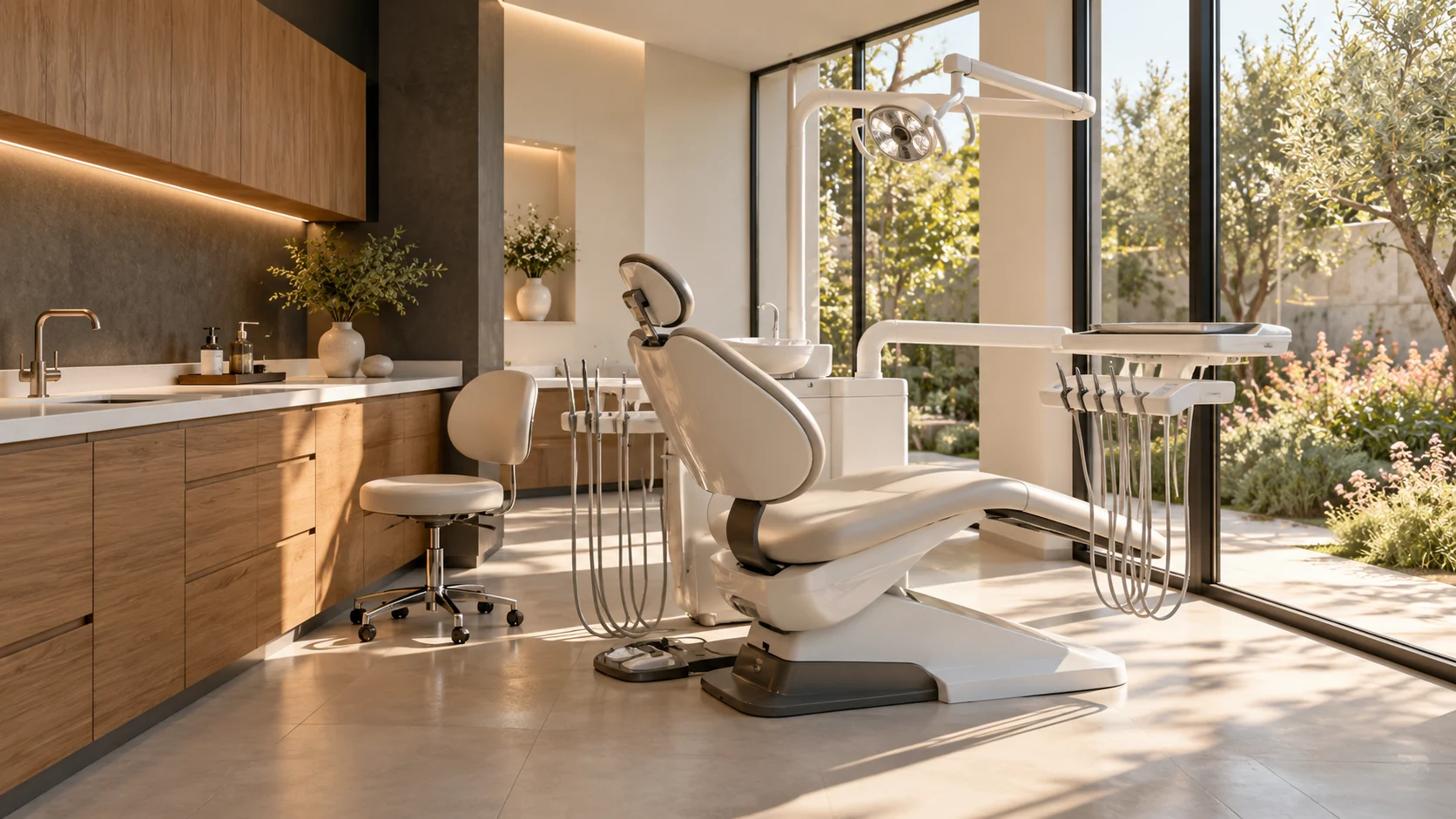
05 / THE APPROACH
Implants, clear aligners and urgent care are different decisions. Someone considering implants may need time to understand the consultation. Someone with an urgent problem needs opening hours and a phone number quickly.
We reflect those differences in the campaigns and pages. Your clinical team approves treatment information. Our role is to make the offer and next step clear.
AT A GLANCE
Focus on the local catchment and priority treatments.
Keep location details, campaign coverage and enquiries clear for each branch.
Agree the country, language and local review needs before work begins.
A CLOSER LOOK
Dental marketing should help a suitable patient find the practice, understand the next step and contact the right team. We connect the channels around that journey. Your clinic’s treatment priorities, location and appointment capacity determine the plan, not a standard package of every available service.
A practice growing routine appointments needs a different approach from a clinic prioritising implant consultations. We ask which treatments you offer, which services have capacity and which enquiries reception can handle well. We also discuss how the clinic defines a useful contact, because a phone call from an existing patient is different from a new treatment enquiry.
The initial plan records your priorities and the information available to measure progress. It can identify one channel to start with or several connected tasks. The aim is a workable acquisition journey, including the page the patient sees and the way the clinic responds afterwards.
Paid search can put a relevant clinic message in front of someone looking for a particular treatment or nearby practice. The advertisement needs a matching destination page and accurate information about the service. We separate treatment intentions where that helps the message and measurement, instead of putting every dental search into the same campaign.
Campaign planning considers the location, language, opening hours and available response routes. The media budget and agency work are separate. Search demand is not a promise of booked appointments, so reporting needs to distinguish the actions we can observe from the clinical and operational outcomes that follow.
Organic search work improves the pages patients use when researching a practice or treatment. It includes the website structure, useful treatment explanations and technical accessibility. Local visibility adds the business details that help someone judge distance, opening information and the correct branch to contact.
We plan these areas together without repeating identical pages for every variation of a keyword. A useful treatment page can answer several related questions, while genuinely different treatments or branches may need their own destination. Content is reviewed by the clinic so the medical information reflects what the practice actually provides.
A patient may arrive with anxiety, uncertainty or a practical question about attending the clinic. The website should explain who provides the care, what the consultation involves and how to make contact. Real practice information helps a visitor evaluate fit before reaching reception.
A clear mobile layout is part of that experience. Contact buttons should be easy to find, treatment information should be readable and a request form should make the next step explicit. If a submission is only an appointment request, the confirmation should say so. The website must not imply that a clinical appointment has been booked when it has not.
A CLOSER LOOK
A patient searching for urgent help is not making the same decision as someone exploring a planned cosmetic treatment. A marketing strategy for a dental clinic should reflect these differences in the search coverage, page content and contact route. The clinic approves all treatment descriptions.
Implant prospects may compare treatment stages, professional experience and what an initial consultation includes. They can need more information before contacting a clinic than someone seeking routine care. A page should therefore make the assessment route clear and help the patient understand what can only be decided after a professional examination.
We focus the message on the consultation and the genuine service offered. We do not turn a marketing page into an individual diagnosis or promise suitability. Reception can also need a different follow-up process for these enquiries, which is discussed when defining the campaign and measurement plan.
Someone exploring orthodontics may be comparing treatment options, consultation arrangements and the professionals involved. The practice should explain its assessment process and the information a patient will receive. The message needs to reflect the treatments genuinely available at that location and any limitations the clinical team identifies.
We can separate adult, family or treatment-specific intentions where the offer and demand justify it. Brand names are used only where relevant to the actual service. A clear route to ask about a consultation is more helpful than a generic page promising a perfect smile without context.
Emergency-related searches can come from people who need prompt practical information. Opening hours, location and the correct contact route should be easy to see. Campaign scheduling needs to reflect the clinic’s real ability to answer rather than promoting availability the practice cannot provide.
The website can explain how to contact the team and what happens next, with wording reviewed by the clinic. Marketing staff do not assess urgency or give personalised clinical advice. The contact journey should take the person to the appropriate practice team and avoid making an unconfirmed promise of immediate treatment.
Routine care can be overlooked when a marketing plan focuses only on a few higher-value treatments. A clinic still needs clear information about the general services it wants to grow, who they suit and how new patients arrange a first visit. The priority follows the practice’s capacity and commercial objective.
We discuss whether the immediate need is new patient enquiries, visibility for a service or a better website journey. Where there are several branches, service availability can differ. The page and campaign should direct people to a branch that can provide the relevant care rather than a general contact route with no location context.
A CLOSER LOOK
A written plan should be understandable to the practice owner and reception team. It needs to explain the treatment focus, the patient journey, the work being delivered and the outcome definitions. The marketing is stronger when the team knows what to expect from the enquiries.
A new clinic may need its core service pages, real practice information and contact routes established before a large campaign is sensible. We review what already exists and which details still need approval. Accurate opening information, team biographies and photographs can be important foundations for patient trust.
The launch plan should also account for the clinic’s operating readiness. If reception, booking or treatment availability is still changing, the marketing needs to reflect that. We agree a practical first phase rather than promoting every treatment and channel at once. Later work follows the evidence and the practice’s capacity.
An established practice may already receive searches and enquiries but have difficulty identifying which activity is useful. We review existing pages, campaign structure and the information available about contacts. The main problem can be a weak message, irrelevant search coverage, a confusing form or inconsistent follow-up.
Those problems need different solutions. Buying more traffic will not repair an unanswered phone, and redesigning a working page may not improve a poorly targeted campaign. We use the initial evidence to choose the first changes, then review whether the relevant stage of the patient journey has improved.
A group needs consistent messaging alongside accurate branch information. Treatment availability, hours, clinicians and contact responsibilities can vary by location. We establish how central and local teams approve content and which pages or campaigns need a location-specific approach.
Reporting should make those differences visible. A combined enquiry total can hide a branch receiving the wrong treatment requests or struggling to respond. We discuss the records available for each location and agree how branch-level information can support decisions. Expansion follows real service availability rather than a plan to publish a page for every city name.
A CLOSER LOOK
Choosing a dental marketing agency is a decision about the working relationship as well as the channels. Ask how the agency uses your clinical expertise, handles approvals and defines results. Evidence should be relevant, clearly labelled and separate from promises about your own practice.
The agency needs to understand the patient journey well enough to ask useful questions. The clinic remains responsible for treatment accuracy, clinician credentials and the medical information published in its name. We agree who reviews content and how changes are approved before publication.
This matters across markets because language, advertising requirements and patient expectations can differ. Worldwide dental marketing does not mean copying one country’s campaign unchanged into another. We establish the country, patient catchment and review responsibilities before scoping delivery, and identify where local expertise is needed.
A website visit, contact-button click, completed enquiry, booked consultation and attended appointment are separate events. Some can be measured on the website; others depend on the clinic’s records. We define the available signals before promising a report that connects them.
The Brident example on this page is a visibility case from Tenerife, Spain. Its reported website growth is evidence of that project and period, not a forecast for another clinic. Where a campaign result is discussed, the metric and context are identified. A traffic chart should never be presented as a patient count.
Scope depends on the website condition, number of locations, treatment priorities and channels involved. A clinic with a clear site and accessible campaign account may need focused optimisation. A practice with missing treatment pages and an unclear booking journey may need foundational work first.
We prepare a proposal with deliverables, responsibilities and review points. Campaign media spend, agency work and external systems are identified separately. There are no published prices on this site; the purpose of the initial conversation is to establish the work your practice actually needs and the information required to plan it.
A CLOSER LOOK
A list of ideas becomes useful when it has an owner, a purpose and a review point. We help prioritise the improvements most relevant to your starting position. That can be a focused change to one treatment page or a broader plan connecting search, advertising and the website.
You can start with the website address, clinic location, priority treatments and a summary of current marketing. We discuss what the practice wants to improve and how reception currently handles enquiries. Existing campaign or search data can help, but business-level information is enough for the first conversation.
We do not need confidential patient records to understand the opportunity. If more detailed outcome reporting is later proposed, the systems, permissions and privacy requirements need their own review. The initial step is a practical discussion of the clinic, the market and the work worth investigating.
Marketing should respond when the clinic adds a clinician, changes treatment availability or opens a genuine branch. Those changes can affect campaign coverage, page content and the contact route. A regular review is an opportunity to identify what needs updating before more people reach inaccurate information.
Performance data can also change the plan. A treatment may attract many enquiries that do not fit the practice, while another generates fewer but more relevant conversations. We discuss the evidence and the limitations together, then agree which change is most useful for the next phase.
A CLOSER LOOK
The scope follows your starting point. These details explain how we connect the practical work with your business and the responsibilities agreed in the proposal.
Patients may be comparing treatment options, looking for a nearby practice or trying to arrange an urgent appointment. Each situation requires a different message and a different route to contact. Our dental marketing approach starts with those decisions.
We work with your clinic’s priorities, capacity and market. A single practice looking for more general dentistry enquiries needs a different plan from a multi-location group growing implant consultations. The service mix follows that goal. We do not recommend every channel simply because it is available.
We align the search, advertisement and landing page, and define how calls or enquiries will be measured. Your reception team’s availability is part of the planning.
Local SEO connects that content with accurate branch information and business profiles. Search work is planned around genuine services, actual locations and the language your patients use.
We structure pages around that journey, with clear contact options and clinical information reviewed by your team.
Reporting can connect these stages only when the clinic’s records and integrations support it. A campaign click is never described as a new patient.
Clear aligner prospects may compare treatment approaches and consultation options. Cosmetic dentistry needs precise descriptions and appropriate evidence, while emergency demand needs an immediate contact route and accurate opening hours.
We use these differences to shape your campaign and website structure. We do not write clinical promises or diagnose a visitor through marketing copy. Treatment suitability, outcomes and clinical explanations remain the responsibility of qualified clinicians, who review the relevant material before publication.
We define the country, language, service radius and treatment priorities before planning activity. A strategy that works for one city is not copied unchanged into another market.
For Dubai and UAE clinics, we can connect local search with treatment-led campaigns and an English website journey. For clinics in other countries, the research, communication and operating context need their own scope. We confirm language capability and local review requirements before agreeing delivery.
We discuss how contacts are handled, who qualifies them and which outcomes your team can record. This makes reporting more useful and helps identify problems beyond the campaign.
A practical review may reveal that the next improvement is a clearer consultation page, a better callback process or a more relevant campaign. We prioritise the part of the system that needs attention rather than attributing every shortfall to advertising spend.
We discuss the business objective and the information available to measure it. If you have existing campaigns or search data, access can help us investigate the current setup.
You then receive a defined proposal with responsibilities, deliverables and review points. Media spend is separate from agency work. We do not publish standard prices because a single-location campaign and a multi-branch acquisition programme require different scopes. The work is agreed before it begins.
BRIDENT ODONTÓLOGOS · TENERIFE, SPAIN
The published Brident case reports growth from 400–600 website visits per month to 18,311 in six months. These are website visits, not patient or revenue figures, and a result from Spain rather than Dubai.
STRAIGHT ANSWERS
Yes. The dental offering is international. We agree the clinic’s country, patient catchment, languages and delivery requirements before defining the strategy.
Yes. A clinic can start with one channel when the website and enquiry process support it. SEO, local search or a redesign can be added when there is a clear reason.
No. Patient acquisition depends on demand, the offer, competition, reception follow-up and clinical decisions. We define measurable actions without promising a fixed patient count.
We can scope a plan around several branches, with separate location information, campaign coverage and reporting. Responsibilities and access for each clinic are agreed at the start.
Your website, clinic location, priority treatments and a summary of current marketing. Business-level information is enough; please do not send patient records or sensitive health information.
A CLEAR NEXT STEP
Tell us about your business, your market and what you want to improve.